

WHY DO I NEED TO KNOW?
As of 2025, nearly 1-in-5 Canadians are over the age of 65. With older adults making up a rapidly growing part of our population, this demographic shift puts elder abuse prevention at the forefront of public health and social justice as more people become susceptible to abuse. Chances are you know, or will know, an older adult who is being abused. It could even be you.
Without community education, involvement, & advocacy, the increase of older adults in the years to come will lead to more abuse cases.
What is Elder Abuse?
Elder Abuse is any action or inaction by any individual or organization in a position of trust which causes harm or distress, or violates human or civil rights.
Rights & Ageism
Elder abuse is a human rights issue. Human rights are basic rights and freedoms to which all humans are entitled.
Myths & Facts
A myth is an idea or a belief that is not true. Myths are often widely held and they are powerful. They influence our attitudes and actions and encourage discrimination.
“Contrary to commonly held beliefs, most older adults who experience abuse or neglect are mentally competent, are not dependent on other people, and do not require constant care.”
Source: Bain, P., Spencer, C. World Elder Abuse Awareness Day Fact Sheet 2, What Is Abuse Of Older Adults?
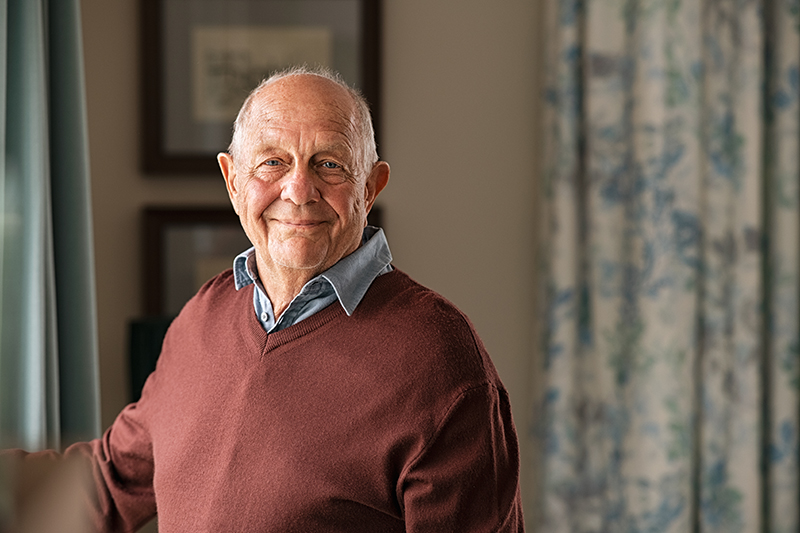
INCREASE YOUR KNOWLEDGE
Elder Abuse Prevention London Middlesex invites you to increase your knowledge and understanding of elder abuse and the issues surrounding it, to learn what you can do if you or someone you know may be in an abusive or potentially abusive situation, and to learn about the resources available to you.
If you interact with older adults where you work or volunteer, we also invite you to use the Community Protocol Guidelines to establish or update a formal protocol for your organization, group, or place of business for identifying and responding to elder abuse.